


Control Arm
YZS manufactures 301+ forged control arm models for global vehicle platforms. 100% forged from spring steel with CNC-bent ±0.1mm tolerance. IATF 16949 certified.


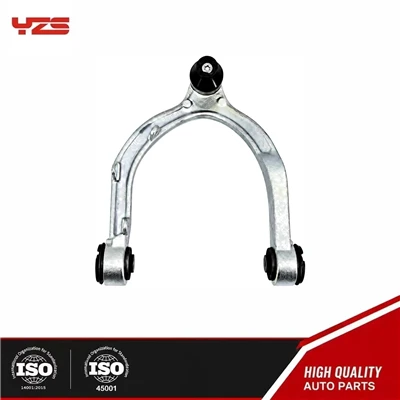
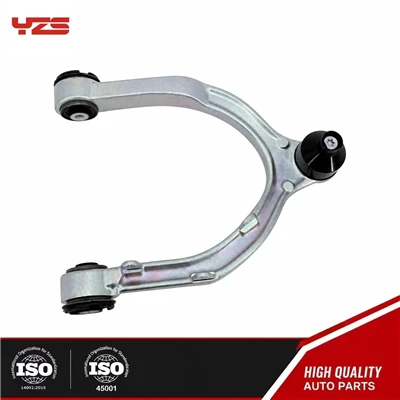
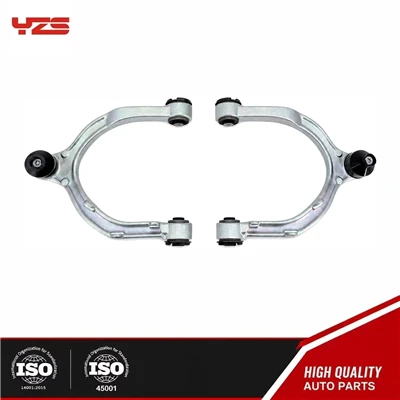

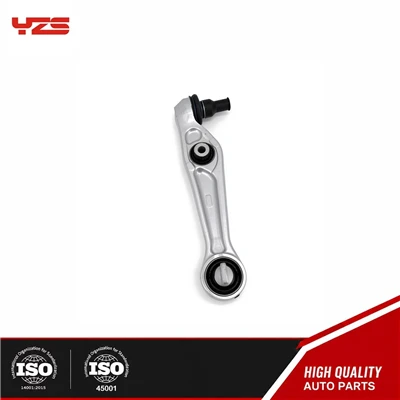
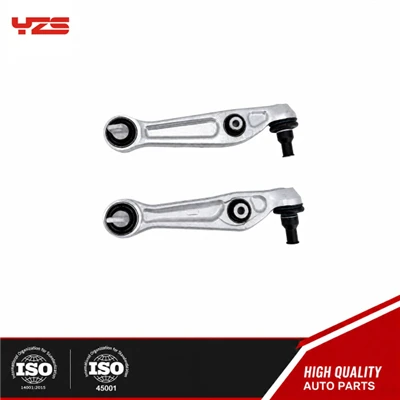

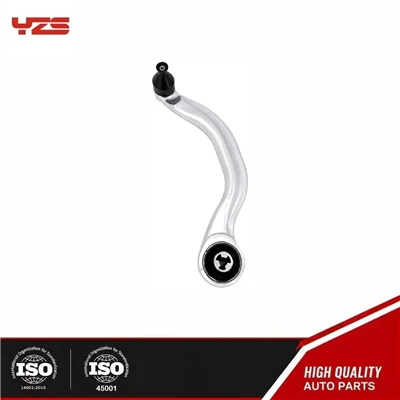
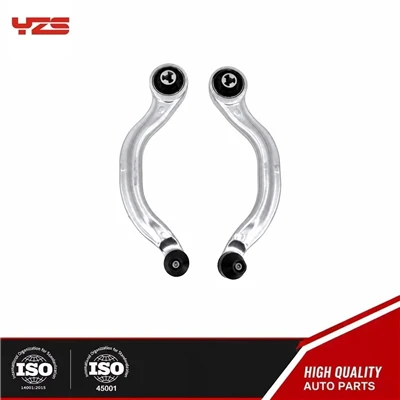

In automotive suspension, a control arm, also known as an A-arm, is a hinged suspension link between the chassis and the suspension upright or hub that carries the wheel. In simple terms, it governs a wheel's vertical travel, allowing it to move up or down when driving over bumps, into potholes, or otherwise reacting to the irregularities of a road surface. Most control arms form the lower link of a suspension. Control arms play a crucial role in the suspension system of a vehicle. They help to keep the wheels aligned and maintain proper tire contact with the road, which is essential for safety and stability.
The inboard (chassis) end of a control arm is attached by a single pivot, usually a rubber bushing. It can thus control the position of the outboard end in only a single degree of freedom, maintaining the radial distance from the inboard mount. Although not deliberately free to move, the single bushing does not control the arm from moving back and forth; this motion is constrained by a separate link or radius rod. This is in contrast to the wishbone, which are triangular and have two widely spaced inboard bearings. These constrain the outboard end of the wishbone from moving back and forth, controlling two degrees of freedom, and without requiring additional links.
Types of Control Arms
Strut Type Suspension or MacPherson Strut Suspension
A MacPherson strut suspension is an independent front suspension found in most cars. In the MacPherson strut suspension, there is only a single, lower control arm, at each wheel and the strut becomes the upper control arm, which supports most of the weight. This type of control arm can be found in both front and rear suspensions, but usually at the front. Due to the compact design, low weight and relatively cheap manufacture cost, you generally see a strut type suspension in modern, inexpensive cars.
Double Wishbone Suspension
A double wishbone suspension is a type of control arm mechanism used when two control arms are installed in the suspension system. This type of control arm is usually used in modern vehicles, like sports cars, high-end performance cars and light trucks. This is because double wishbone suspension benefits better handling and control.
A control arm's purpose is straightforward. It connects the steering knuckle to the frame and stabilizes the vehicle by allowing the chassis and the wheels to move in unison while the vehicle is in motion. Ultimately, control arms help achieve coordination between the suspension and steering systems, dampening the ride and giving the driver the ability to maneuver the vehicle.
The control arm's swiveling ball joint serves as the steering system's pivot point, allowing the vehicle to be turned in either direction while moving forward or backward. The hinge joint on the control arms' frame side keeps the wheels in contact with the ground, whether traveling over smooth pavement or treading over bumps and potholes on the road. Both sides of the control arm work together to grant the movement necessary for a vehicle to safely and adequately operate on roads.
Components of Control Arm
Arm
The main body of the control arm connects the wheel assembly to the chassis and has a triangular shape. It provides structural stability and supports different suspension parts.
Bushing
At the points where the control arms are mounted, bushings provide cushioning and flexibility while at the same time lowering vibration and noise. These bushings, which typically consist of rubber or polyurethane, shield the chassis from irregularities in the road.
Ball Joint
The pivotal part that joins the control arm to the wheel assembly is known as a ball joint. It enables steering and suspension articulation by allowing for controlled movement and rotation of the wheel. Maintaining proper alignment and responsiveness depends on ball joints.
Suspension Linkages
Depending on the suspension design, control arms frequently come with additional linkages such as sway bars, tie rods, or lateral links. The performance, handling, and stability of the vehicle are further improved by these linkages.
Stamped Steel Control Arms
Although this type of control arm can rust very quickly due to a wet environment, stamped steel was cheap to get, easy to fit and make. It was also the oldest material used in making these parts, Unsurprisingly due to the rusting these are the cheapest to buy if ever they deteriorate.
Cast Iron Control Arms
Cast iron wishbones are very common on most modern vehicles now and unlike stamped steel arms they are very durable and reliable due to the strength of iron. As a result of this, you'll most likely see them on trucks and large SUV's.
Cast Aluminium Control Arms
Amung the newest materials used for suspension arms, cast aluminium provides the best of both sinarios. The are light and easy to make as well as strong for reliability. The metal can break due to bad roads and pot holes however due to softer material.

Bad Control Arm Symptoms
Popping Noise
One of the earliest signs of a failing control arm is hearing a popping noise when you drive over road irregularities. You may also hear a popping noise when you speed up or reduce the speed of your vehicle, but normally going over bumps at slower speeds, like speed bumps is an indicator of a ball joint that is popping, or possible worn bushings.
Steering Is Unstable
Another symptom that can indicate control arm problems is unstable steering. This is very common in failing bushings, where the alignment of the steering wanders, causes the car to veer either to the left or the right when the driver runs over a bump in the road. This issue becomes more apparent if the car is driving on uneven surfaces or unstable terrain. This symptom may also indicate that your idler arm or steering tie rods are in bad shape, so when inspecting, make sure to check the steering components.
Uneven Tire Wear
Uneven tire wear is also a potential sign of a failing control arm, as this is an indicator of alignment issues. As control arm bushings wear, this can force the vehicle out of alignment, causing wear on the outer or inner edges of the tire. While sometimes this is just an indicator that a proper alignment is needed, it can also be caused because of worn bushings. Any alignment shop will be able to properly diagnose this.
Aftermarket Upper Control Arms Are Stronger Than Stock
In most cases, the manufacturer will put on stock control arms. This means that they meet the minimum requirements per the vehicle’s specifications. As a result, this can mean that the factory control arms will not stand up to anything above normal use. If you have plans to go off-roading, you will probably need to ensure that your ride can stand up to the jostling and heavy use that goes into the control arms. If necessary, you may need to replace them.
Improves the Ride Quality on Any Truck
Besides being stronger than stock control arms, upgraded control arms can improve the truck's ride quality. Most kits offer a smoother and better ride than the factory models for both on-road and off-road driving. Additionally, replacement control arms will often weigh less than stock control arms. With this reduced weight comes superior responsiveness and action of the suspension.
Can Increase Ride Height
For those who are looking to install lift kits, upper control arms are a must. However, what many will not realize is that the control arms can increase the ride height. While some may not see this as a big deal, remember that with lift kits, every inch counts! Even centimeters can count when traveling on those tight off-road trails.
What Should I Consider Before Buying Controls Arms?
Compatibility
The suspension system of almost all vehicles is different from one another and this difference may even exist between different models of a particular make or even versions of the same car. This makes it necessary to choose control arms specific to your vehicle’s make, model, and year of manufacture. Normally you can find it very difficult to find exact matching parts for your car in the aftermarket but PartsAvatar makes it easy for you. Select your car’s exact model, make and year to get products that are direct OE replacements. This removes the guesswork when buying new parts.
Control Arm Material
As mentioned earlier, control arms are mainly built with three materials - iron, aluminium and steel. Aluminium control arms are lighter than other types which translate to reduced unsprung mass and lighter weight on the vehicle. Such arms can absorb noise and vibrations better due to the density of the material. Another advantage is their corrosion resistance making which allows them to be used in varied weather conditions. Steel control arms are more affordable than aluminium and generally have a long service life unless exposed to constant wet conditions. Cast and forged iron control arms are sturdier than steel and can withstand heavier loads which is necessary for heavy-duty applications like trucks and pickups.
Corrosion Resistance Coatings
One of the most common reasons for control arm failure is corrosion. Due to their location, the control arms are always exposed to the road and weather conditions making them vulnerable to rust which can significantly reduce their service life and will require more frequent replacements. To combat this, many manufacturers apply protective coatings on steel and iron control arms to prevent corrosion and extend component life. When buying steel or iron control arms it is necessary to look for resistance coatings that ensure the components will last a long time and provide a healthy service life. Such treatments are usually showcased by the manufacturer so look for the information before buying new control arms.
OE Vs Aftermarket Part
Replacement OE components offer the same advantages as the factory-equipped parts and nothing more. This means you will not receive any additional benefits. These will also cost quite a bit more than aftermarket parts. Whereas aftermarket components are generally cheaper and come at a reasonable price while providing many benefits over standard control arms. Aftermarket components match the fit and performance of the OE parts and some even exceed that. Hence making them a bargain over OE counterparts.
Individual Control Arm Or Full Kits
Control arms are available as a single unit or complete control arm kits. While a full kit is recommended, if replacing just a damaged section then a single control arm is more feasible. Usually, it is best to replace both fronts - right and left, or both rear control arms together including the upper and lower arms if your vehicle has both. Opting for a full control arm kit will ensure you don’t have to worry about replacement any time soon. Since the control arm replacement can be expensive, it is generally more economical in the long run to go for a complete replacement to minimize labor costs.
Replacing The Control Arm
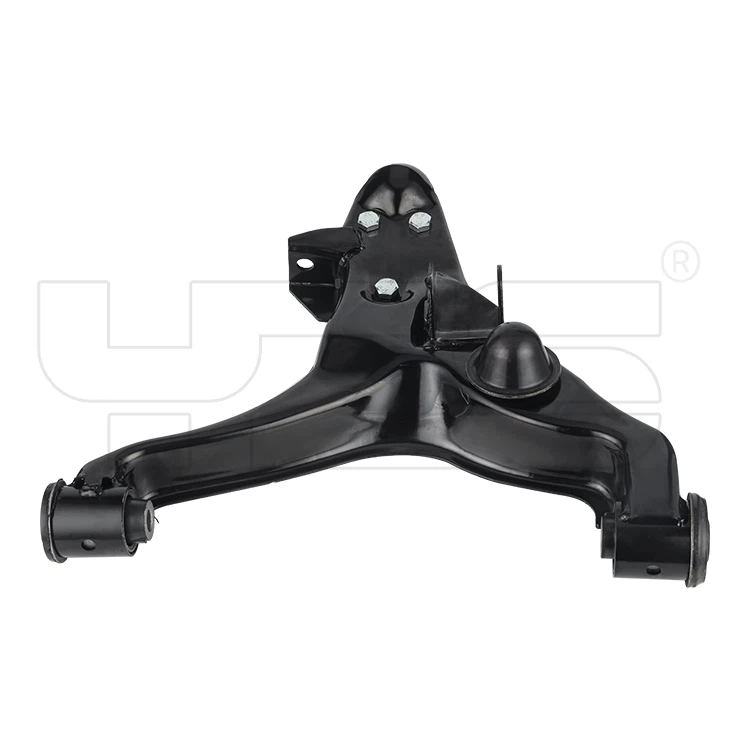


Remove Any Obstructing Components
Depending on your vehicle, you may need to remove additional components such as a sway bar, brake caliper, or other suspension parts to access the control arm. Consult your repair manual for specific instructions on removing these components if necessary.
Detach the Ball Joint
Using a ball joint separator or pickle fork, carefully separate the ball joint from the steering knuckle. You may need to remove a cotter pin and castle nut before using the separator.
Remove the Control Arm Bolts
Locate the bolts that attach the control arm to the vehicle’s frame or subframe. Use a socket wrench or breaker bar to remove these bolts. They may be seized, which might require penetrating oil, a hammer and punch, and some brute force to remove.
Remove the Old Control Arm
Once the bolts are removed, gently pry the control arm away from the vehicle and remove it completely. Be careful not to damage any surrounding components during this process.
Inspect and Clean the Mounting Points
Thoroughly inspect the mounting points on the vehicle for any signs of damage or excessive wear. Clean the area to remove any debris or rust.
Install the New Control Arm
Position the new control arm in place, insert the bolts, and hand-tighten them initially. Then, using a torque wrench, tighten the control arm bolts to the manufacturer’s specified torque setting.
Reattach the Ball Joint
Align the ball joint with the steering knuckle and insert it back into place. Secure it with the castle nut and cotter pin, if your car uses them. Torque the castle nut to the manufacturer’s specifications.
Reinstall Any Removed Components
Reinstall any components that were removed earlier, such as the sway bar, brake caliper, or other suspension parts. Ensure all fasteners are tightened to their correct torque specifications. Once a control arm is replaced, it’s recommended to get a wheel alignment performed, or at the very least, have a shop check that it’s still within spec.
Regular Lubrication: Apply a suitable lubricant to the control arm bushings as recommended by the manufacturer. Lubrication helps reduce friction and wear, enhancing the bushings' lifespan.
Avoid Excessive Loads: Overloading your vehicle can stress the control arm bushings and lead to premature wear. Stay within the recommended weight limits for your vehicle to prevent unnecessary strain on the suspension system.
Drive Carefully over Bumpy Roads: Excessive impact from rough terrain or potholes can accelerate control arm bushing wear. Slow down and navigate carefully to minimize stress on the suspension.
Periodic Inspections: Regularly inspect your control arm bushings for any signs of wear, damage, or leaks. By catching issues early, you can address them promptly and prevent further damage.
Our Factory
As a modern enterprise, YZS has a complete R&D, production, sales, and service system as well as a strong technical and management team. Our products have a complete range, excellent quality and reasonable prices. Products are widely used in North American, European markets and other markets to meet OEM needs and performance requirements. Our fast delivery and excellent quality have won high trust and appreciation from our customers.


Our Certificates
We have IATF16949:2016 certificate and multiple product patent certificates. We have strict management and control from raw materials to finished products, and the products we manufacture can meet customer requirements. YZS products are widely sold all over the world, and it has established good business relationships with giants in the global automotive market over the years.


Common Problems of Control Arm
Q: What does the control arm do?
Q: What happens when a control arm goes bad?
Q: Can I drive with a bad control arm?
Q: What happens if control arm breaks while driving?
Q: How do I know if my control arms are bad?
Q: Are control arms expensive to replace?
Q: Is it easy to fix a control arm?
Q: Is a control arm an easy fix?
Q: How many years do control arms last?
Q: What happens if you don't fix control arm bushings?
Q: How long does it take to fix a control arm on a car?
Q: Should I replace both control arms at the same time?
Q: How many control arms does a car have?
Q: What causes control arm to break?
Q: Can you replace just one control arm?
Q: How do you test a control arm?
Q: Where is my control arm located?
Q: Do I need an alignment after replacing lower control arm?
Q: Can you get an alignment with bad control arms?
Q: When should I replace my control arm?
Clunking noises. You shouldn't be able to hear your suspension.
Uneven wear on tires.
Car “pulling” to one side.
Visual damage.
Q: Is it OK to drive with bad control arm bushings?
Q: Should I replace both upper and lower control arms?