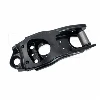
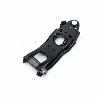
The control arm is an important component of the automotive suspension system, and its functions mainly include the following aspects:
1. Control wheel movement: The control arm controls wheel movement by connecting the suspension system between the wheels and the vehicle body. It can limit the vertical movement of the wheels, keep them in the desired position, and provide sufficient suspension travel to absorb uneven roads and reduce vibrations.
2. Supporting body weight: The control arm bears a portion of the body weight and transmits the weight of the body to the suspension system by connecting the wheels to the body. It helps maintain the stability and balance of the vehicle body, making it more stable during driving.
3. Adjusting wheel geometric parameters: The design and adjustment of the control arm can affect the geometric parameters of the wheel, such as forward and backward tilt, forward and backward swing, and wheel pitch. By adjusting these parameters, the suspension characteristics and driving performance of the vehicle can be changed, providing better handling and comfort.
4. Sharing the load of the suspension system: The control arm plays a role in sharing the load in the car suspension system. It shares and transmits the pressure and force on the suspension system by connecting the wheels and other components of the suspension system, in order to maintain the stability and reliability of the entire suspension system.
Overall, the control arm plays a role in controlling wheel movement, supporting vehicle weight, adjusting wheel geometry parameters, and sharing suspension system loads in the automotive suspension system. It plays an important role in the suspension characteristics, driving performance, and stability of vehicles.