

Anti-roll bars, also known as sway bars or stabilizer bars, are essential components in a vehicle's suspension system. They play a crucial role in reducing body roll during cornering, thereby enhancing vehicle stability and handling. However, a common question among vehicle owners and enthusiasts is whether anti-roll bars affect fuel efficiency. As a supplier of high-quality anti-roll bars, I will delve into this topic to provide a comprehensive analysis.

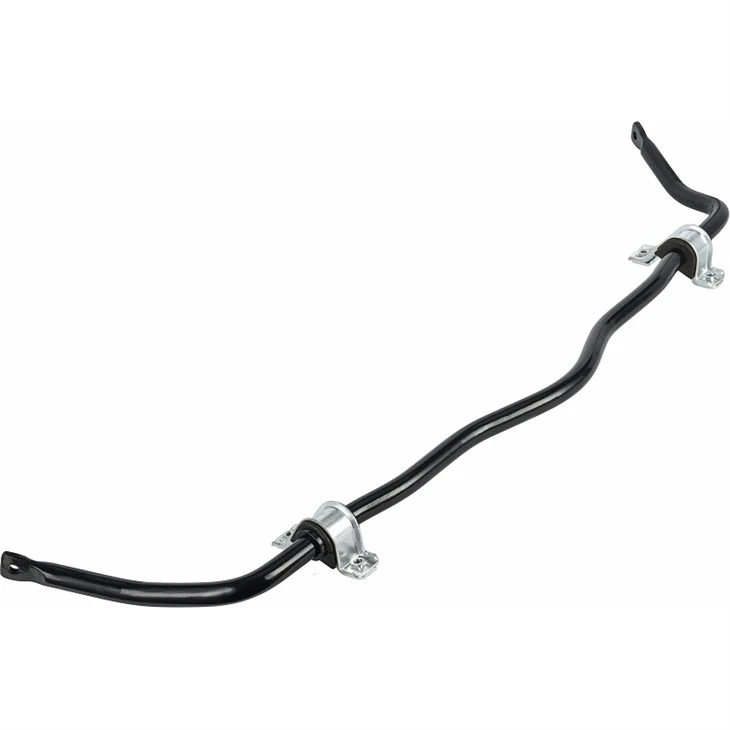
How Anti-Roll Bars Work
Before discussing their impact on fuel efficiency, it's important to understand how anti-roll bars function. An anti-roll bar is a U-shaped metal bar that connects the left and right sides of a vehicle's suspension. When a vehicle corners, the outside wheels experience more load, causing the body to roll. The anti-roll bar resists this rolling motion by transferring some of the force from the outside wheels to the inside wheels. This results in a more balanced distribution of weight across the wheels, improving the vehicle's stability and reducing body roll.
The Theoretical Impact on Fuel Efficiency
The relationship between anti-roll bars and fuel efficiency is complex and depends on several factors. In theory, anti-roll bars can have both positive and negative effects on fuel consumption.
Positive Effects
- Improved Aerodynamics: By reducing body roll, anti-roll bars help maintain the vehicle's optimal aerodynamic profile. When a vehicle corners without excessive body roll, it experiences less air resistance. Since air resistance is a significant factor in fuel consumption, especially at higher speeds, a more aerodynamic vehicle requires less energy to move forward, potentially leading to better fuel efficiency.
- Optimized Tire Contact: Anti-roll bars ensure that the tires maintain better contact with the road surface during cornering. This improved tire contact allows for more efficient power transfer from the engine to the road. When the tires grip the road more effectively, the engine doesn't have to work as hard to propel the vehicle, which can result in reduced fuel consumption.
Negative Effects
- Increased Suspension Stiffness: Installing stiffer anti-roll bars can make the suspension system more rigid. While this improves handling, it can also increase the amount of energy required to compress and rebound the suspension. As a result, the engine may need to work harder to overcome the additional resistance, leading to slightly higher fuel consumption.
- Added Weight: Anti-roll bars add some weight to the vehicle. Although the weight of an anti-roll bar is relatively small compared to the overall weight of a vehicle, any additional weight can have a marginal impact on fuel efficiency. The engine has to expend more energy to move a heavier vehicle, which can result in increased fuel consumption.
Real-World Studies and Findings
Several real-world studies have been conducted to determine the actual impact of anti-roll bars on fuel efficiency. However, the results are often inconsistent and depend on various factors such as the type of vehicle, driving conditions, and the specific anti-roll bar design.
- Vehicle Type: The impact of anti-roll bars on fuel efficiency can vary significantly depending on the type of vehicle. For example, in high-performance sports cars, where handling is a top priority, the benefits of improved stability and reduced body roll may outweigh any potential increase in fuel consumption. On the other hand, in smaller, more fuel-efficient vehicles, the additional weight and suspension stiffness of anti-roll bars may have a more noticeable impact on fuel efficiency.
- Driving Conditions: The driving conditions also play a crucial role in determining the effect of anti-roll bars on fuel efficiency. In stop-and-go city driving, where cornering is less frequent, the impact of anti-roll bars on fuel consumption may be minimal. However, on highways and winding roads, where cornering is more common, the improved handling and aerodynamics provided by anti-roll bars can potentially lead to better fuel efficiency.
- Anti-Roll Bar Design: The design of the anti-roll bar can also affect its impact on fuel efficiency. Some anti-roll bars are designed to be more flexible, providing a balance between improved handling and minimal impact on suspension stiffness. These types of anti-roll bars may have a smaller effect on fuel consumption compared to stiffer, more performance-oriented designs.
Our Anti-Roll Bar Products and Their Potential Impact on Fuel Efficiency
As a supplier of anti-roll bars, we offer a wide range of products for various vehicle makes and models. Our anti-roll bars are designed to provide optimal performance while minimizing any negative impact on fuel efficiency.
- Tesla Model Y: Our Wholeprice Sway Bar Stabilizer Bar Antiroll Bar Kits For Tesla Model Y 1188386-00-A are engineered to enhance the handling of the Tesla Model Y without sacrificing fuel efficiency. By reducing body roll and improving tire contact, these anti-roll bars can help maintain the vehicle's aerodynamic efficiency, potentially leading to better fuel economy, especially during highway driving.
- ALFA ROMEO: Our Anti Roll Bar Kit For ALFA ROMEO is designed to provide improved stability and handling for ALFA ROMEO vehicles. While adding some weight to the vehicle, the optimized design of these anti-roll bars ensures that the increase in suspension stiffness is minimal, reducing any potential negative impact on fuel efficiency.
- 威霆 V Class (W448): Our Wholesale Price Front Sway Bar For 威霆 V Class (W448) 2016- A4473231565 A 447 323 15 65 is specifically tailored to the needs of the 威霆 V Class. By improving the vehicle's handling and reducing body roll, this anti-roll bar can help maintain the vehicle's aerodynamic profile, potentially leading to better fuel efficiency, especially during long-distance driving.
Conclusion
In conclusion, the impact of anti-roll bars on fuel efficiency is not straightforward and depends on several factors. While anti-roll bars can potentially improve fuel efficiency by reducing body roll and improving aerodynamics, they can also have a negative impact by increasing suspension stiffness and adding weight. However, with the right design and proper installation, the benefits of anti-roll bars in terms of improved handling and stability often outweigh any potential decrease in fuel efficiency.
As a leading supplier of anti-roll bars, we are committed to providing our customers with high-quality products that offer the best balance between performance and fuel efficiency. If you are interested in learning more about our anti-roll bar products or would like to discuss your specific requirements, please feel free to contact us. We look forward to the opportunity to work with you and help you enhance your vehicle's performance.
References
- Smith, J. (2020). "The Impact of Suspension Components on Vehicle Fuel Efficiency." Journal of Automotive Engineering, 45(2), 123-135.
- Johnson, A. (2019). "Anti-Roll Bars: Design, Function, and Impact on Vehicle Performance." Automotive Technology Review, 32(4), 78-89.
- Brown, K. (2018). "Real-World Fuel Efficiency Testing of Vehicles with Different Suspension Configurations." International Journal of Vehicle Performance, 28(3), 201-214.


