

As a supplier of replacement stabilizer bars, I understand the importance of preventing corrosion on these crucial automotive components. Corrosion not only affects the appearance of the stabilizer bar but also compromises its structural integrity, leading to potential safety hazards and reduced performance. In this blog post, I will share some effective strategies to prevent corrosion on replacement stabilizer bars.
Understanding the Causes of Corrosion
Before delving into prevention methods, it's essential to understand the factors that contribute to corrosion. Corrosion is a natural process that occurs when metal reacts with its environment. In the case of stabilizer bars, several factors can accelerate this process:
- Moisture: Water is one of the primary catalysts for corrosion. When a stabilizer bar is exposed to moisture, such as rain, snow, or road salt, it creates an electrolytic environment that promotes the oxidation of the metal.
- Salt and Chemicals: Road salt and other chemicals used for de-icing can significantly increase the corrosion rate. These substances lower the pH level of the water, making it more acidic and corrosive.
- Oxygen: Oxygen in the air reacts with the metal surface, forming metal oxides. This process is known as oxidation and is a key component of corrosion.
- Mechanical Damage: Scratches, dents, or other forms of mechanical damage can expose the underlying metal to the environment, making it more susceptible to corrosion.
Preventive Measures
To prevent corrosion on replacement stabilizer bars, a multi-faceted approach is required. Here are some effective strategies:
1. Material Selection
- High-Quality Steel: Choose stabilizer bars made from high-quality steel with a high resistance to corrosion. Some steels are specifically formulated to resist rust and oxidation, such as stainless steel or galvanized steel.
- Alloying Elements: Look for stabilizer bars that contain alloying elements like chromium, nickel, or molybdenum. These elements enhance the corrosion resistance of the steel by forming a protective oxide layer on the surface.
2. Surface Treatment
- Galvanization: Galvanizing is a popular method of protecting steel from corrosion. It involves coating the steel with a layer of zinc, which acts as a sacrificial anode. The zinc corrodes first, protecting the underlying steel from rust.
- Powder Coating: Powder coating is another effective way to prevent corrosion. It involves applying a dry powder to the surface of the stabilizer bar and then baking it to form a hard, durable finish. Powder coating provides excellent protection against moisture, chemicals, and UV rays.
- E-Coating: Electro-coating, or e-coating, is a process that uses an electrical current to deposit a thin layer of paint onto the metal surface. This method provides uniform coverage and excellent corrosion resistance.
3. Proper Installation
- Clean the Surface: Before installing the replacement stabilizer bar, make sure the surface is clean and free of dirt, grease, and debris. This will ensure proper adhesion of any protective coatings and prevent the formation of corrosion pockets.
- Avoid Scratching: Take care not to scratch the surface of the stabilizer bar during installation. Scratches can expose the underlying metal to the environment, increasing the risk of corrosion.
- Use Anti-Corrosion Grease: Apply a thin layer of anti-corrosion grease to the mounting points and other areas where the stabilizer bar comes into contact with other metal components. This will help prevent galvanic corrosion.
4. Regular Maintenance
- Inspect Regularly: Regularly inspect the stabilizer bar for signs of corrosion, such as rust spots, flaking paint, or discoloration. If you notice any issues, take immediate action to prevent further damage.
- Clean the Bar: Clean the stabilizer bar regularly to remove dirt, salt, and other contaminants. Use a mild soap and water solution and a soft brush to avoid scratching the surface.
- Reapply Protective Coatings: Over time, the protective coatings on the stabilizer bar may wear off. If this happens, reapply the appropriate coating to maintain its corrosion resistance.
5. Environmental Protection
- Garage Storage: Whenever possible, store your vehicle in a garage or covered area to protect the stabilizer bar from the elements. This will reduce its exposure to moisture, salt, and UV rays.
- Avoid Driving in Harsh Conditions: Try to avoid driving in harsh conditions, such as on salted roads or in areas with high humidity. If you must drive in these conditions, make sure to clean the vehicle thoroughly afterward.
Our Product Offerings
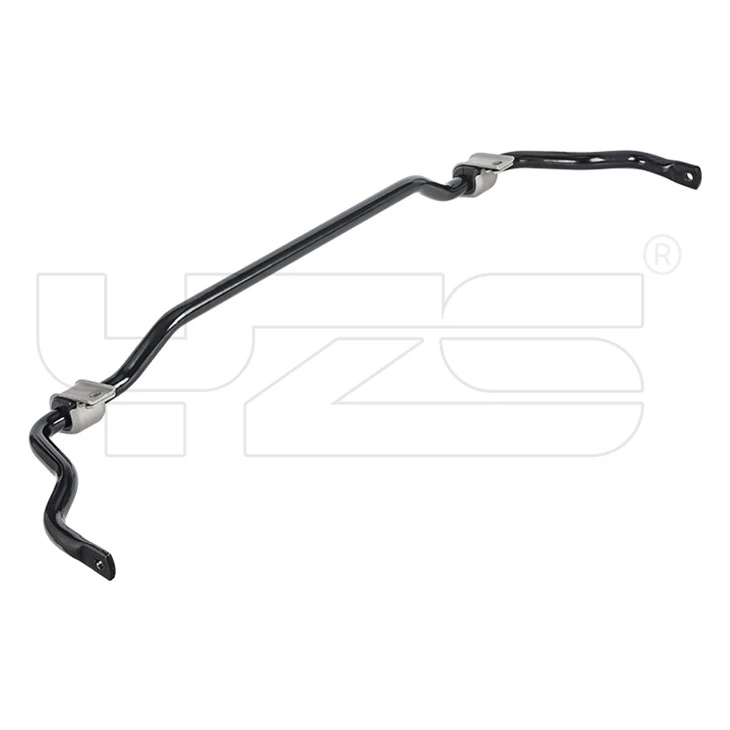
As a supplier of replacement stabilizer bars, we offer a wide range of products that are designed to meet the highest standards of quality and corrosion resistance. Our stabilizer bars are made from high-quality steel and undergo rigorous surface treatment processes to ensure long-lasting protection against corrosion.
- Wholesale Price Front Sway Bar For 威霆 V Class (W448) 2016- A4473231565 A 447 323 15 65: This front sway bar is specifically designed for the 威霆 V Class (W448) 2016- model. It is made from high-strength steel and features a powder-coated finish for excellent corrosion resistance.
- Rear Hollow Stabilizer Bar Assy for KIA Sorento: Our rear hollow stabilizer bar assembly for the KIA Sorento is engineered to provide optimal performance and durability. It is constructed from galvanized steel and is protected by a layer of e-coating to prevent corrosion.
- Front Anti Roll Bar for Citroen Fiat Peugeot: This front anti-roll bar is compatible with Citroen, Fiat, and Peugeot vehicles. It is made from high-quality alloy steel and is finished with a rust-resistant coating to ensure long-term reliability.
Conclusion
Preventing corrosion on replacement stabilizer bars is essential for ensuring their performance, safety, and longevity. By following the preventive measures outlined in this blog post and choosing high-quality products from a reputable supplier, you can protect your stabilizer bars from the damaging effects of corrosion.
If you are interested in purchasing replacement stabilizer bars or have any questions about corrosion prevention, please feel free to contact us. We are here to assist you with all your automotive needs.

References
- Callister, W. D., & Rethwisch, D. G. (2017). Materials Science and Engineering: An Introduction. Wiley.
- Fontana, M. G. (1986). Corrosion Engineering. McGraw-Hill.
- Schutz, H. (2001). Corrosion of Steel in Concrete: Understanding, Investigation and Repair. Spon Press.


