

When it comes to enhancing the performance and handling of a VW Golf 6, one crucial component that often comes into play is the sway bar. As a dedicated supplier of sway bars tailored specifically for the VW Golf 6, I've witnessed firsthand the significant impact these components can have on a vehicle's ride height and overall driving experience. In this blog post, I'll delve into the science behind sway bars, explain how they interact with the VW Golf 6's suspension system, and discuss the implications for ride height.
Understanding Sway Bars
Before we explore the relationship between sway bars and ride height, it's essential to understand what sway bars are and how they function. A sway bar, also known as an anti-roll bar or stabilizer bar, is a metal rod that connects the left and right sides of a vehicle's suspension. Its primary purpose is to reduce body roll during cornering by transferring force from one side of the vehicle to the other.
When a vehicle turns, the weight shifts to the outside wheels, causing the body to lean. This lean can lead to a loss of traction and stability, making the vehicle more difficult to control. A sway bar counteracts this effect by resisting the movement of the suspension on the outside of the turn and transferring some of the force to the inside wheels. This helps to keep the vehicle level and improves its handling and stability.
Sway Bars and the VW Golf 6
The VW Golf 6 is a popular compact car known for its sporty handling and responsive performance. However, like many vehicles, it can benefit from the addition of an upgraded sway bar. Our sway bars for the VW Golf 6 are designed to provide a precise fit and enhanced performance, allowing drivers to enjoy a more controlled and stable driving experience.
One of the key factors that determine the effectiveness of a sway bar is its stiffness. A stiffer sway bar will provide more resistance to body roll, resulting in less lean during cornering. However, it's important to strike the right balance, as an overly stiff sway bar can also have a negative impact on ride comfort. Our sway bars are engineered to provide the optimal level of stiffness for the VW Golf 6, ensuring a smooth and comfortable ride without sacrificing performance.
Impact on Ride Height
Now, let's turn our attention to the question at hand: how does a sway bar to suit VW Golf 6 affect the ride height? The answer to this question is not straightforward, as the impact of a sway bar on ride height can vary depending on several factors, including the design of the sway bar, the stiffness of the suspension, and the driving conditions.
In general, a sway bar does not directly affect the ride height of a vehicle. Ride height is determined by the suspension system, which includes the springs, shocks, and other components. However, a sway bar can indirectly affect ride height by altering the way the suspension behaves.
When a sway bar is installed, it changes the distribution of force within the suspension system. This can cause the vehicle to sit slightly lower or higher depending on the design of the sway bar and the stiffness of the suspension. For example, a stiffer sway bar may cause the vehicle to sit slightly lower because it reduces the amount of body roll and allows the suspension to compress more evenly. On the other hand, a softer sway bar may have less of an impact on ride height or may even cause the vehicle to sit slightly higher.
It's important to note that the impact of a sway bar on ride height is typically minimal and may not be noticeable to the average driver. However, for enthusiasts who are looking to fine-tune the performance of their VW Golf 6, even a small change in ride height can make a significant difference.
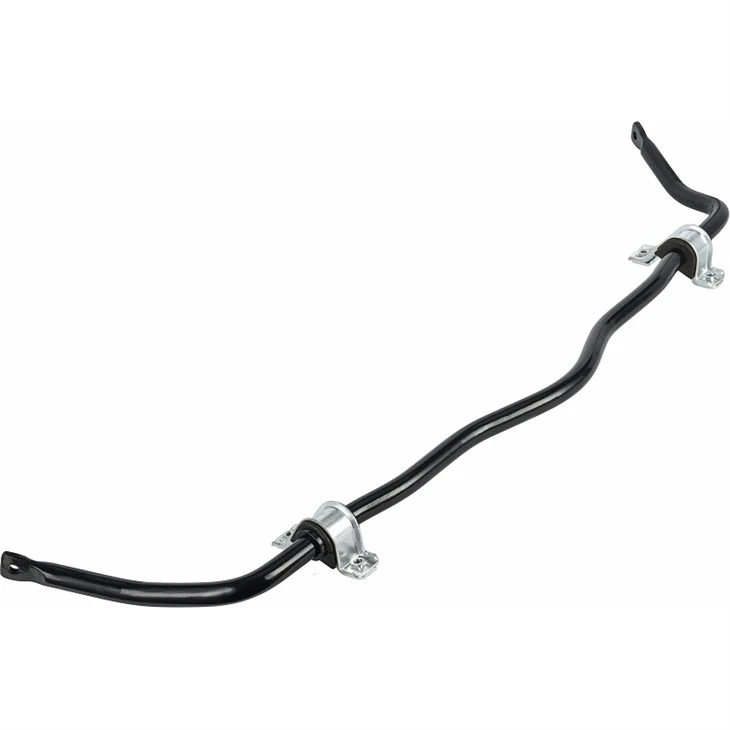

Benefits of Upgrading to a Sway Bar
In addition to its potential impact on ride height, upgrading to a sway bar for your VW Golf 6 offers several other benefits. Here are some of the key advantages:
- Improved Handling: As mentioned earlier, a sway bar helps to reduce body roll during cornering, which improves the vehicle's handling and stability. This makes the car more responsive and easier to control, especially at high speeds or on winding roads.
- Enhanced Traction: By keeping the vehicle level and reducing body roll, a sway bar helps to maintain better contact between the tires and the road surface. This improves traction and reduces the risk of skidding or sliding, especially in wet or slippery conditions.
- Increased Safety: A sway bar can also enhance the safety of your VW Golf 6 by reducing the likelihood of rollovers and other accidents. By improving the vehicle's stability and handling, it gives you more control over the car and helps you to avoid potential hazards on the road.
- Customizable Performance: Our sway bars for the VW Golf 6 are available in a range of stiffness levels, allowing you to customize the performance of your vehicle to suit your driving style and preferences. Whether you're looking for a more aggressive setup for track days or a comfortable ride for daily commuting, we have a sway bar that's right for you.
Other Sway Bar Options
If you're interested in upgrading the sway bars on your vehicle but don't own a VW Golf 6, we also offer a wide range of sway bars for other makes and models. For example, we have a Front Sway Bar for LAND ROVER RANGE ROVER that is designed to provide enhanced performance and stability for this popular SUV. We also offer an Anti Roll Bar Kit For ALFA ROMEO and a Stabilizer Bar for Land Rover Range Rover, among other options.
Contact Us for More Information
If you're interested in learning more about our sway bars for the VW Golf 6 or any of our other products, please don't hesitate to contact us. Our team of experts is always available to answer your questions and help you find the right sway bar for your vehicle. We can also provide you with a quote and discuss your options for purchasing and installation.
Upgrading to a sway bar is a simple and cost-effective way to enhance the performance and handling of your VW Golf 6. Whether you're a casual driver or a serious enthusiast, our sway bars can help you to enjoy a more controlled and stable driving experience. So why wait? Contact us today to learn more and take your driving to the next level.
References
- Milliken, W. F., & Milliken, D. L. (1995). Race car vehicle dynamics. Society of Automotive Engineers.
- Gillespie, T. D. (1992). Fundamentals of vehicle dynamics. Society of Automotive Engineers.
- Smith, R. C. (2006). Automotive suspension and steering. Cengage Learning.


