

What is the maximum load a cab stabilising torsion bar can handle?
As a supplier of cab stabilising torsion bars, I often receive inquiries from customers about the maximum load these bars can handle. This is a crucial question, as understanding the load - bearing capacity is essential for ensuring the safety and performance of vehicles. In this blog, I will delve into the factors that determine the maximum load of a cab stabilising torsion bar and provide some insights to help you make informed decisions.
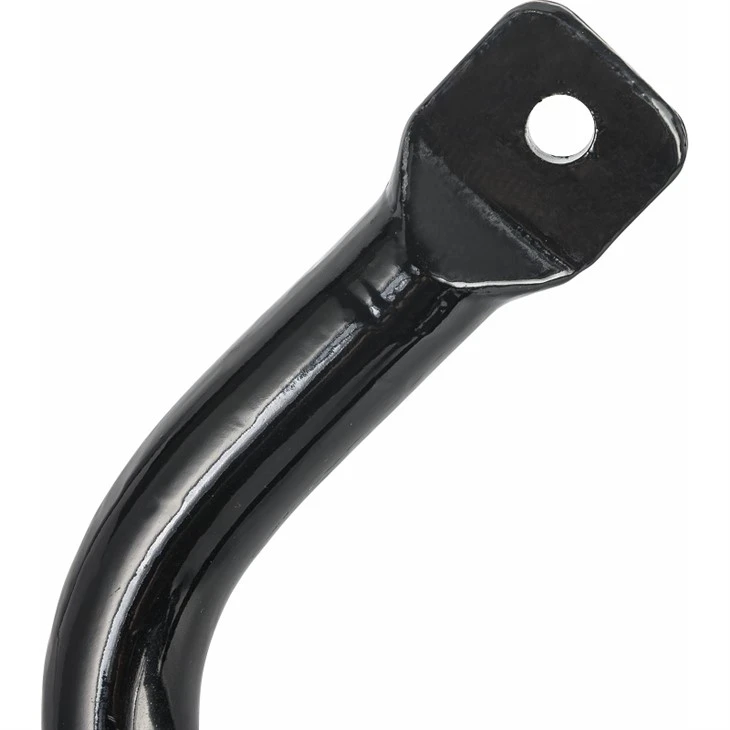
Understanding Cab Stabilising Torsion Bars
Cab stabilising torsion bars, also known as sway bars or anti - roll bars, play a vital role in vehicle suspension systems. Their primary function is to reduce body roll during cornering, which enhances the stability and handling of the vehicle. When a vehicle turns, the outer wheels are subjected to more load than the inner wheels. The torsion bar resists this uneven loading by transferring some of the load from the outer wheels to the inner wheels, thereby reducing the amount of body lean.
Factors Affecting the Maximum Load
Material Properties
The material used to manufacture the torsion bar is one of the most significant factors influencing its maximum load - handling capacity. High - strength steel alloys are commonly used due to their excellent combination of strength, ductility, and fatigue resistance. For example, alloy steels with high carbon content and specific alloying elements such as chromium, nickel, and molybdenum can provide superior mechanical properties. The yield strength and ultimate tensile strength of the material determine how much stress the torsion bar can withstand before permanent deformation or failure occurs.
Dimensions
The dimensions of the torsion bar, including its diameter and length, have a direct impact on its load - bearing capacity. A larger diameter torsion bar generally has a higher load - handling capacity because it can resist more torque. However, increasing the diameter also adds weight to the vehicle, which can affect fuel efficiency and overall performance. The length of the torsion bar also plays a role; a shorter torsion bar is stiffer and can handle higher loads, but it may also result in a harsher ride quality.
Design and Geometry
The design and geometry of the torsion bar can significantly influence its performance. The shape of the bar, such as whether it is straight or has a specific curvature, can affect how it distributes stress. Additionally, the way the torsion bar is attached to the vehicle's suspension components, including the mounting points and bushings, can impact its ability to transfer load effectively. Well - designed mounting points and high - quality bushings can ensure that the torsion bar functions optimally and can handle the maximum load for which it is rated.

Calculating the Maximum Load
Calculating the exact maximum load a cab stabilising torsion bar can handle is a complex process that requires in - depth knowledge of mechanical engineering principles. Engineers typically use mathematical models and computer - aided design (CAD) software to simulate the behavior of the torsion bar under different loading conditions. These simulations take into account the material properties, dimensions, and design of the bar, as well as the characteristics of the vehicle's suspension system.
In general, the maximum load is determined by the maximum torque the torsion bar can withstand without exceeding its yield strength. The torque is related to the force applied to the bar and the distance from the point of application of the force to the axis of rotation. By knowing the maximum allowable stress and the cross - sectional properties of the bar, engineers can calculate the maximum torque and, subsequently, the maximum load.
Real - World Applications
In real - world applications, the maximum load of a cab stabilising torsion bar must be carefully considered to ensure the safety and performance of the vehicle. Different types of vehicles have different requirements for torsion bar load - handling capacity. For example, heavy - duty trucks and SUVs that carry large loads or tow trailers require torsion bars with a higher maximum load capacity compared to smaller passenger cars.
As a supplier, we offer a wide range of cab stabilising torsion bars to meet the diverse needs of our customers. For instance, we have the Front Sway Bar for LAND ROVER RANGE ROVER, which is specifically designed for the unique suspension requirements of this popular SUV. Our Wholesale Price Front Sway Bar For 威霆 V Class (W448) 2016 - A4473231565 A 447 323 15 65 is tailored to provide optimal stability for this particular vehicle model. And our Front Solid Anti Roll Bar for Fiat 500 / 500 C Lancia Alfa Romeo is a great option for those looking to enhance the handling of these smaller cars.
Importance of Choosing the Right Torsion Bar
Selecting the right cab stabilising torsion bar with an appropriate maximum load capacity is crucial. If the torsion bar is under - rated for the vehicle's load requirements, it may not provide sufficient stability during cornering, leading to increased body roll and potentially dangerous handling characteristics. On the other hand, an over - rated torsion bar can result in a harsh ride quality and unnecessary weight addition to the vehicle.
To ensure that you choose the right torsion bar for your vehicle, it is important to consult with experts or refer to the vehicle manufacturer's specifications. Our team of experienced professionals is always available to provide guidance and assistance in selecting the most suitable torsion bar for your specific needs.
Quality Assurance
At our company, we are committed to providing high - quality cab stabilising torsion bars. We use advanced manufacturing processes and strict quality control measures to ensure that each torsion bar meets or exceeds industry standards. Our products are thoroughly tested to verify their load - handling capacity and performance under various conditions.
Conclusion
The maximum load a cab stabilising torsion bar can handle is determined by a combination of factors, including material properties, dimensions, and design. Understanding these factors is essential for choosing the right torsion bar for your vehicle. As a leading supplier of cab stabilising torsion bars, we offer a wide range of products to meet the diverse needs of our customers. Whether you are looking for a torsion bar for a large SUV or a small car, we have the expertise and products to provide you with a solution.
If you are interested in purchasing cab stabilising torsion bars or have any questions about our products, please feel free to contact us for further discussion and procurement negotiation. We look forward to working with you to enhance the safety and performance of your vehicles.
References
- Dieter, G. E. (1988). Mechanical Metallurgy. McGraw - Hill.
- Megson, T. H. G. (2005). Aircraft Structures for Engineering Students. Elsevier.
- Society of Automotive Engineers (SAE). Various standards related to vehicle suspension components.


